Electrical
Job-linked payments for electricians and electrical service crews
Panel fixed, outlet replaced, fixture installed. Now close the payment loop.
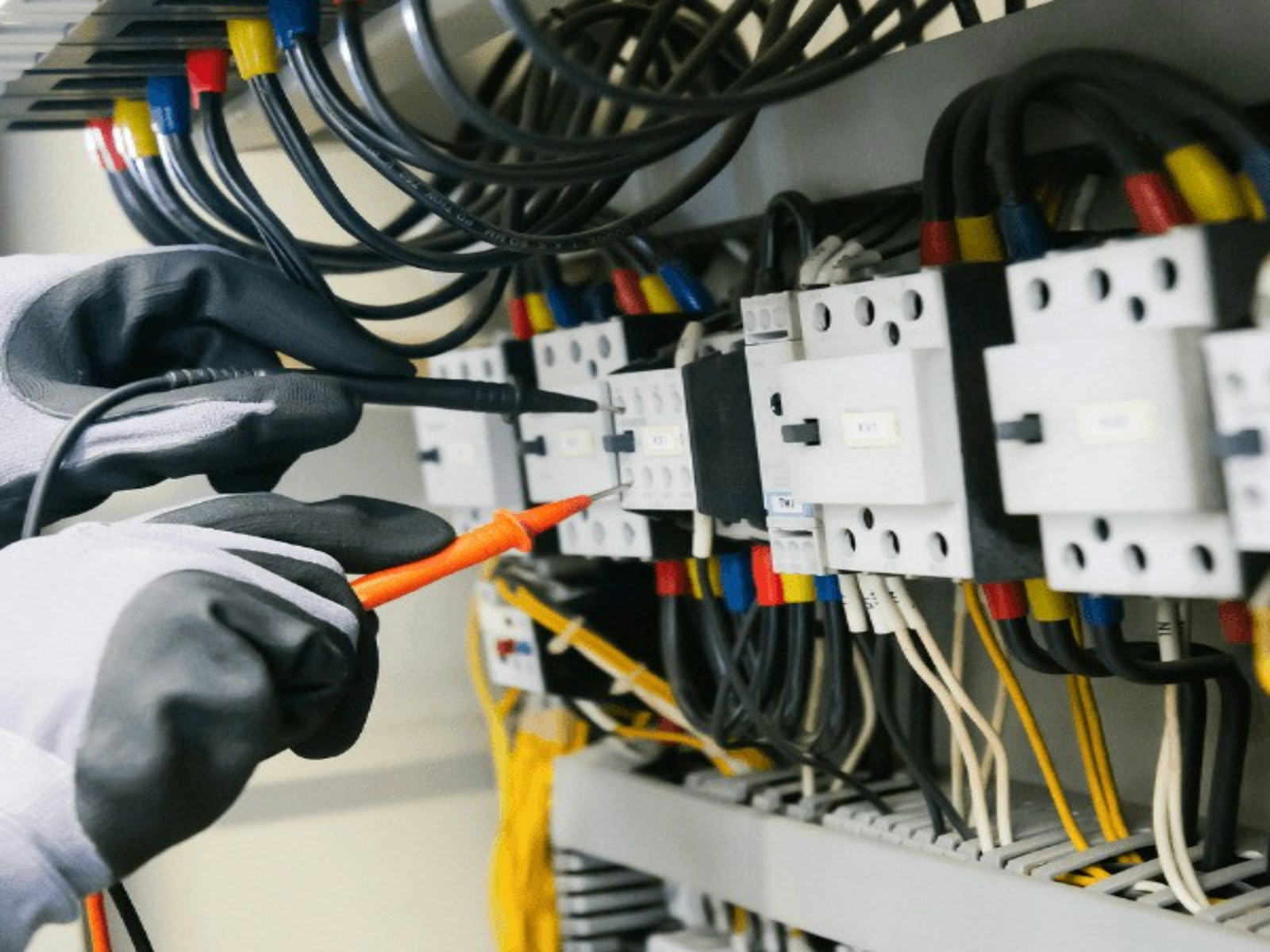
Electrical
Panel fixed, outlet replaced, fixture installed. Now close the payment loop.
Getting paid
Electrical service work often ends with a clear result. The payment should be just as clear, and it should stay tied to the panel, outlet, fixture, or repair that created it.
Step 1
Confirm the final job total after troubleshooting, materials, and any customer-approved add-ons.
Step 2
Collect on site when the customer is present, or send a payment link tied to that exact job.
Step 3
Store the receipt and payment status with the electrical job so follow-up is obvious.
The problem
Small residential jobs can turn into delayed invoices.
Customers want a clear receipt for work done in their home.
A card payment is not enough if it is not tied to the job record.
The TradePay flow
The tech finishes the repair, install, or troubleshooting visit.
The job total and customer are clear before collection.
The payment stays attached to the electrical job.
What changes
TradePay is not trying to replace every tool in your business. It focuses on the part that keeps cash moving: collect on site, send a clean receipt, and know what still needs follow-up.
Before TradePay
Payment lives in a reader report, text thread, invoice app, or someone's memory.
With TradePay
The job, customer, amount, payment, receipt, and follow-up status stay connected.
From the TradePay blog
Yes, electricians can take credit cards on any service call. The 3 ways: Tap to Pay on an iPhone or NFC Android phone, a pay link, or ACH for big jobs.
Read the guide →How electricians can get paid after residential service work with job-linked payments, clear receipts, and less follow-up.
Read the guide →FAQ
Yes. TradePay supports the kind of in-person payment flow electricians need after service work.
Send a job-linked pay link so the unpaid job stays visible instead of disappearing into a text thread.
Ready to start?
Close free for 12 months · founding 100 only. Every payment collected. Every job closed. Just TradePay me.
Claim your founder spot →